
The quiet storytellers
Antique carved Tithe boxes from Norway.

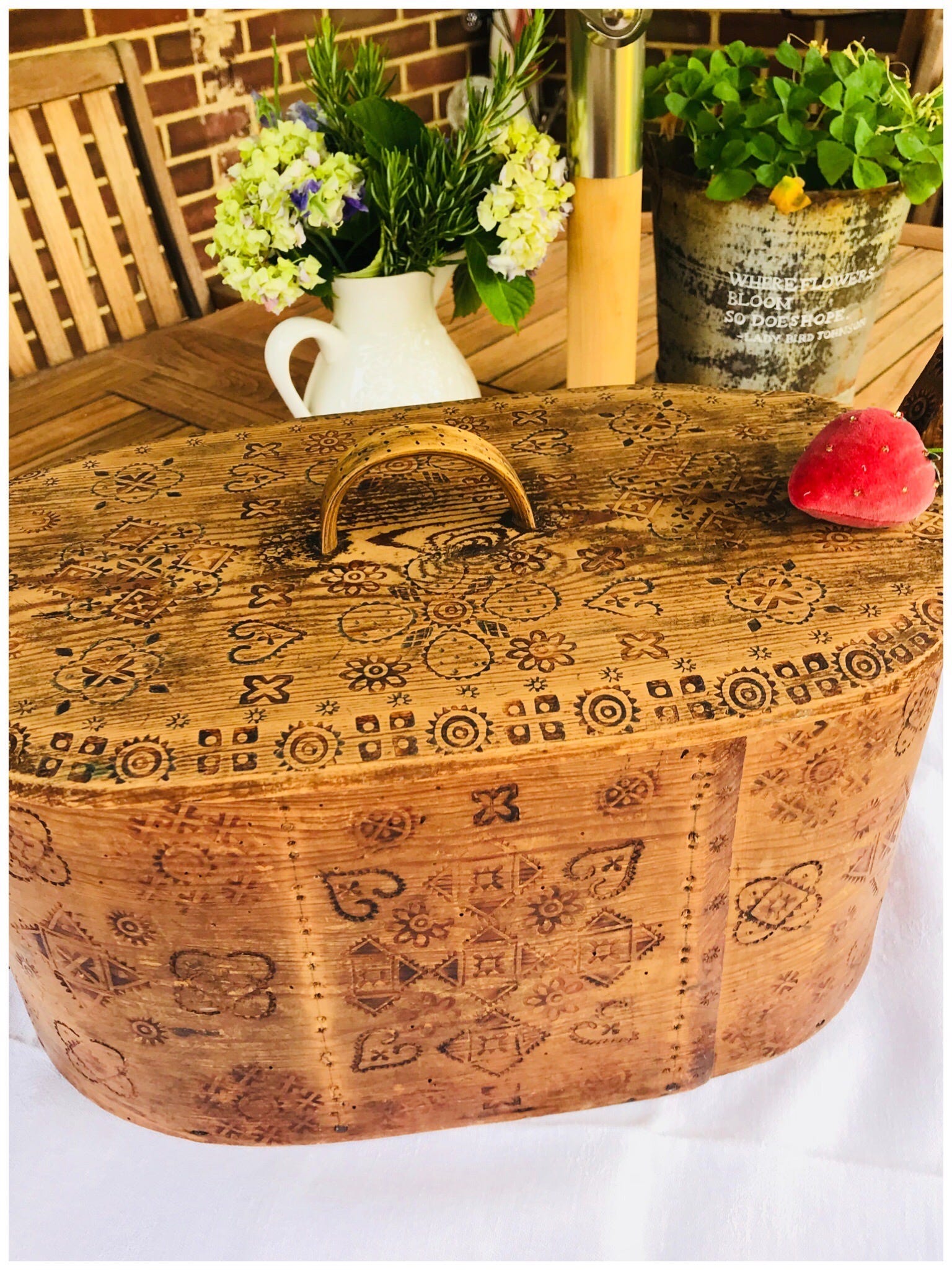
There is something deeply intimate about holding a small wooden box that has outlived its maker. The grain of the wood, worn smooth by unknown hands, seems to carry whispers of journeys, secrets, and quiet rituals. Antique carved tithe boxes from Norway belong to this category of objects—humble yet profound, practical yet poetic.
I didn’t expect to find mine. It sat quietly among mismatched silver spoons and faded linens at an antique fair, unassuming but somehow insistent. When I lifted the lid, it felt less like opening a container and more like opening a story mid-sentence.
Origins and Purpose: More Than Just a Box
Historically, tithe boxes were tied to the practice of giving—a portion of one’s earnings or harvest, often set aside for the church. In rural Norway, however, these boxes gradually took on a broader role. They became small, portable safekeeping chests, particularly useful in a landscape where travel could be long, solitary, and sometimes uncertain.
Crafted from sturdy local woods such as pine, birch, or oak, they were designed to protect what mattered most. Coins, documents, jewelry, sewing tools, and small personal belongings found their place inside. Their size made them easy to carry, whether tucked into a pack or kept close at hand during a journey.
Often fitted with simple locks or iron clasps, they served as quiet guardians of personal treasure in a time before modern security.
The Beauty of Craft: Carving as Memory
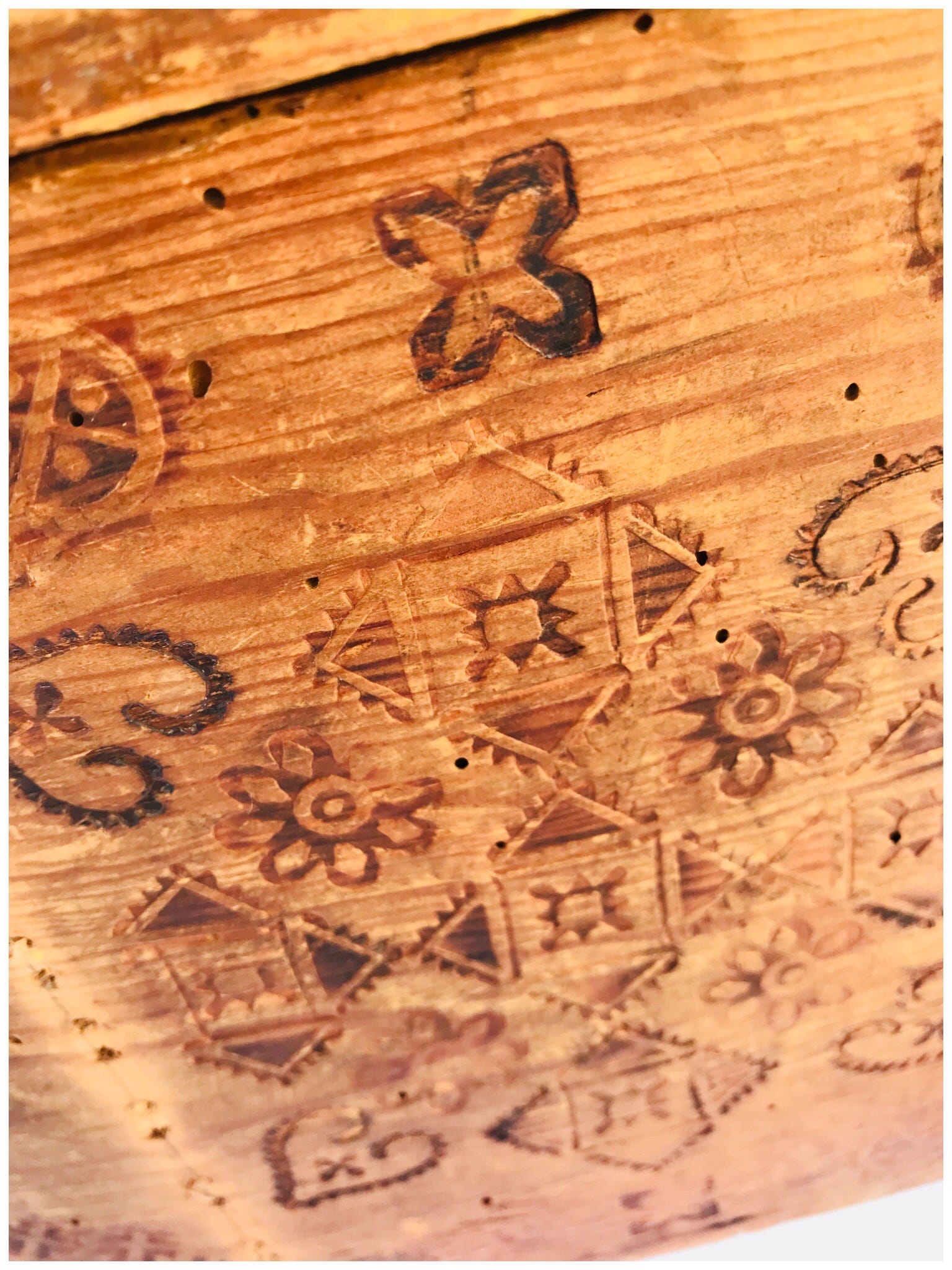
What distinguishes Norwegian tithe boxes is the care given to their decoration. These were not merely containers; they were objects shaped by the hands and sensibilities of individual makers.
Carved patterns frequently included geometric borders, stylised plant forms, and occasionally elements inspired by traditional Scandinavian decorative styles. Some bore initials or dates, anchoring them to a particular life and moment in time.
There is rarely perfect symmetry in these carvings. Instead, there is something better: evidence of the human hand. Slight irregularities, softened edges, and worn surfaces speak of use and age. These boxes were made to accompany daily life, not to remain untouched.
I
Functionality: Designed for Living
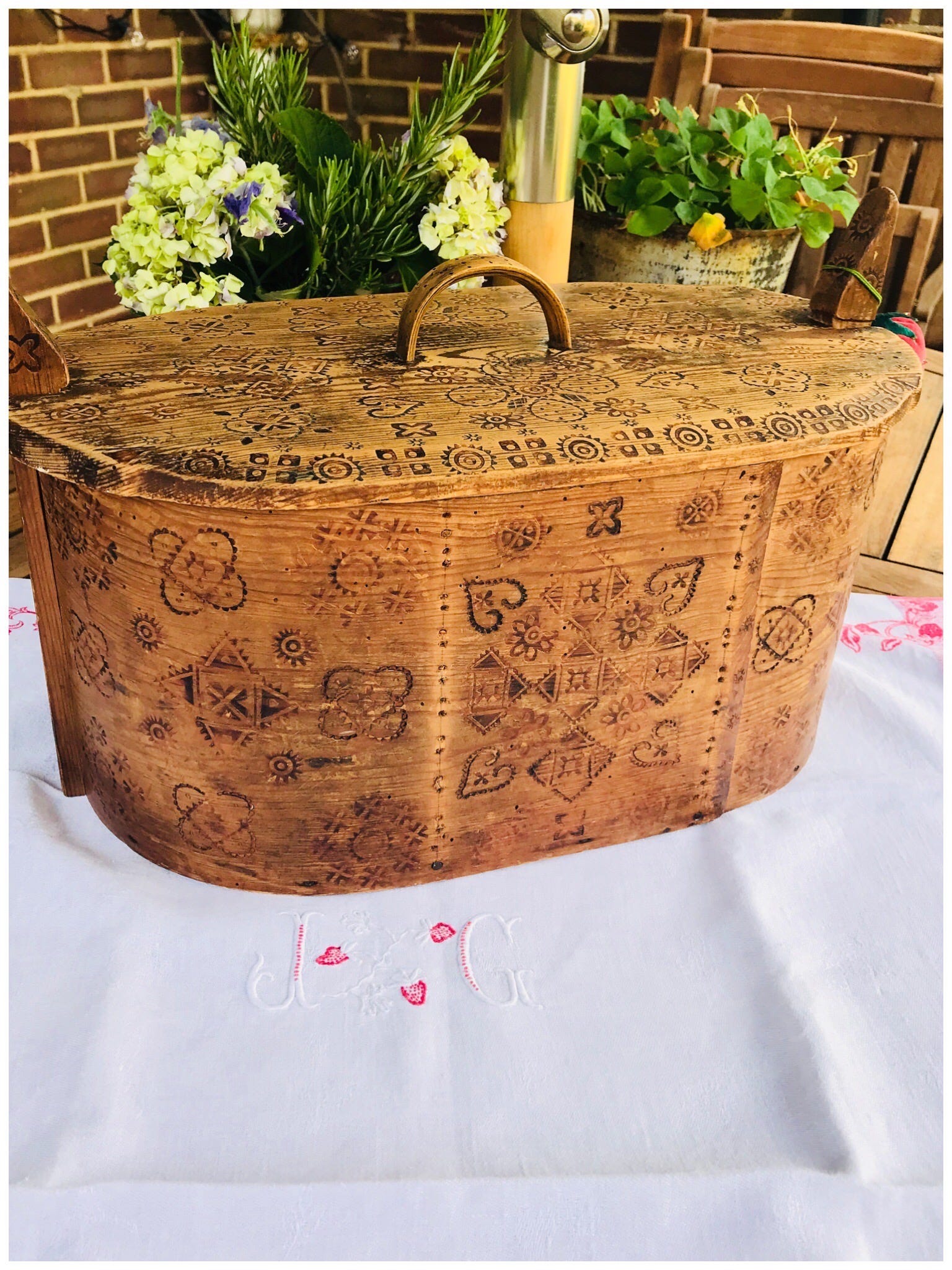
At their core, tithe boxes are practical objects. Their construction reflects a thoughtful balance between strength and portability.
They are typically compact, with thick wooden walls for durability and hinged lids reinforced with metal. Interiors are often simple—either open or lightly compartmentalised—allowing flexibility in what they hold.
Yet their true function goes beyond physical design. They acted as personal repositories, gathering the small but significant items of a life. In a world without wallets, safes, or travel cases as we know them, such a box became a private space—contained, portable, and secure.
A Box Refilled: My Own Small Treasury
Now mine rests within reach rather than hidden away. It no longer carries coins for tithes or provisions for travel. Instead, it is filled with sewing bits—spools of thread, loose buttons, needles tucked into fabric—and a few small treasures collected along the way.
There is something quietly appropriate about this. Sewing is an act of repair and continuation, of keeping things going rather than letting them fall apart. The box, too, continues its purpose: holding what is useful, what is valued, what might be needed again.
Imagining Its Past
Sometimes I pause with the lid open and wonder about its earlier life.
Who carved it?
Whose hands first placed something inside and decided it mattered enough to keep safe?
Did it travel across valleys or along coastal paths? Was it a gift, or something carefully saved for?
Perhaps it once held a small store of coins set aside with care.
Perhaps it carried letters, folded and unfolded many times.
Perhaps it sat beside a bed, opened at night and closed again in the morning.
There are no definite answers, only possibilities. But that uncertainty is part of its quiet power.
The Enduring Appeal
Antique Norwegian tithe boxes endure because they reflect something timeless: the human instinct to gather, protect, and cherish what matters.
They are modest objects. They do not demand attention. Yet once noticed, they linger in the mind.
And now, mine—filled with thread, fragments, and small personal treasures—has simply become the latest chapter in a much longer story.
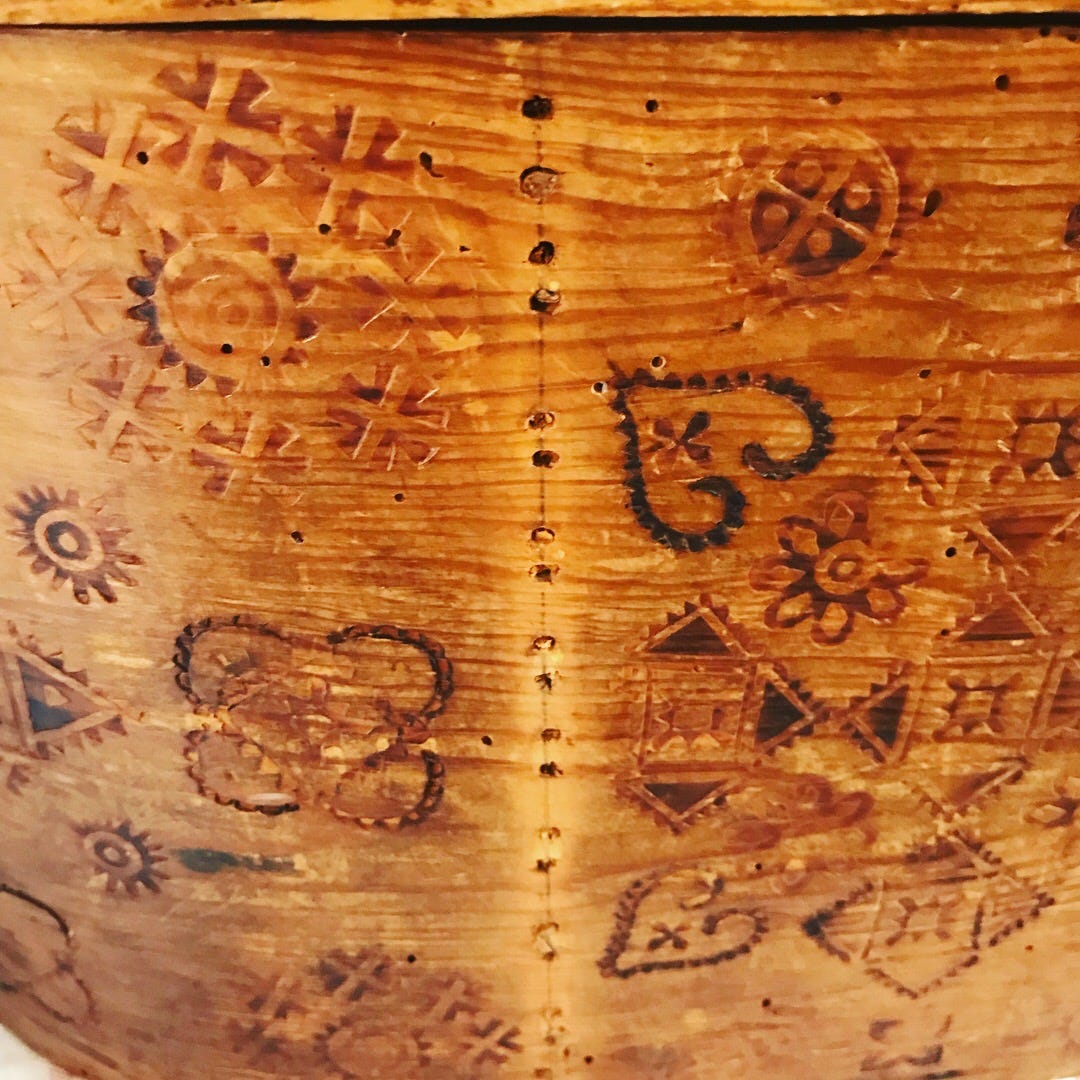
Its so beautiful and im sure some stories it could tell. Im thinking of the origin of choosing the piece of wood and the carving it so tenderly. It's such a find Sarah and thank you for telling us the history, ive never heard of them. Xx
Oh my goodness, Sarah, how beautiful!! Such intricacy in the design. One does wonder at all the stories it holds and the miles it has travelled before finding its way to you, which was clearly its intention. x