
Threaded Through Time:
How slow stitching reconnects us to ancestral memory.

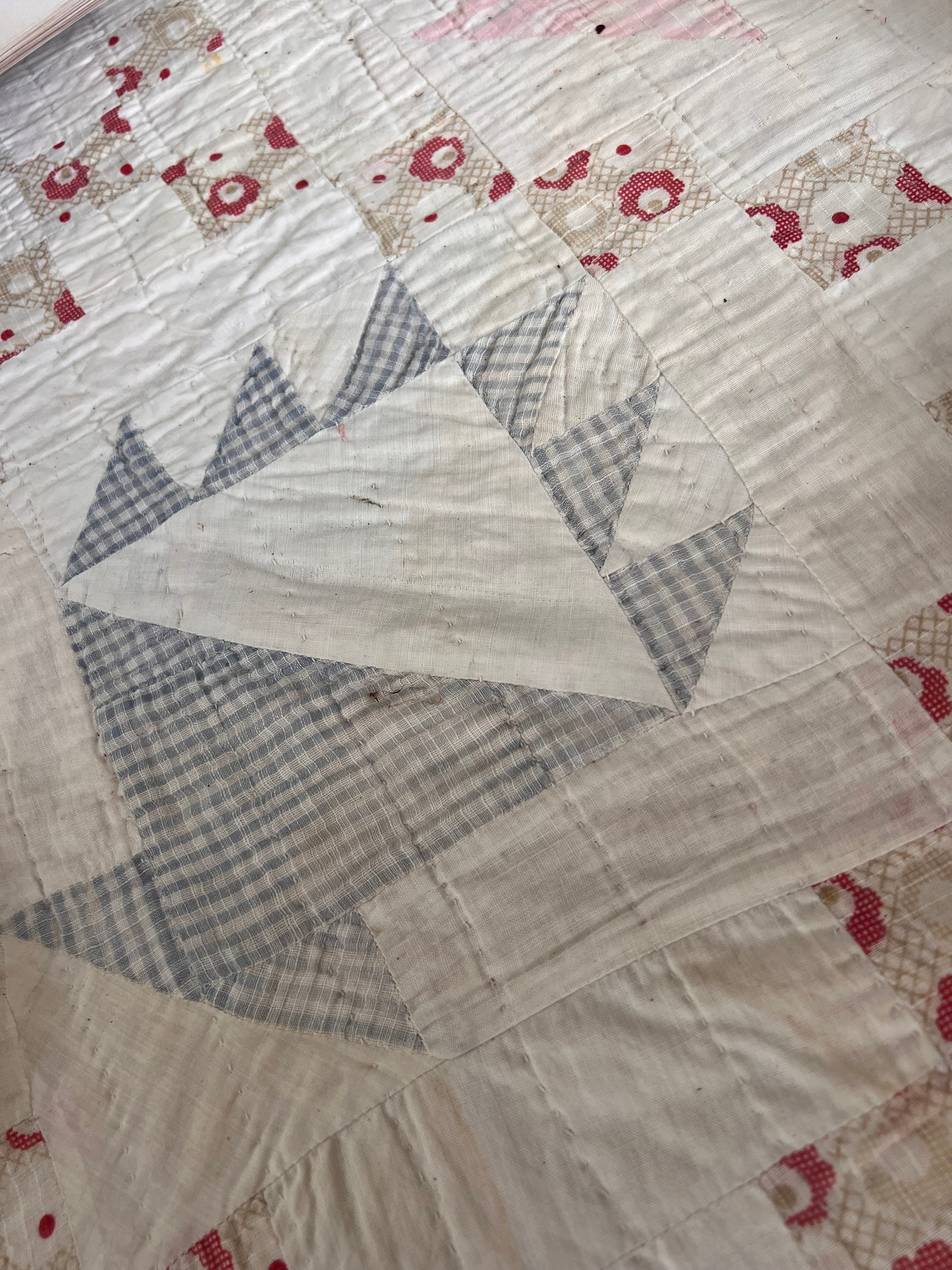
Before the first stitch is made, there is a quiet truth worth noticing: you are not the first to sit this way, needle in hand, fabric resting softly in your lap.
Long before slow stitching became a mindful practice or creative ritual, it was an essential part of daily life. Across generations and cultures, hands moved in the same rhythmic motion—mending, piecing, reinforcing, creating. Not for art, not for leisure, but for survival, care, and continuity.
A grandmother repairing a frayed cuff by candlelight. A mother stitching together scraps to clothe her child. These acts were rarely documented, yet they formed the fabric of everyday existence. Each stitch was practical, but never empty—it carried attention, intention, and often, love.
The garments they made have long since faded. The threads have loosened, the cloth returned to dust. But the gesture itself—the instinct to take needle and thread and make something whole—has endured.
It lives on in our hands.
Today, slow stitching is often framed as a response to modern life: a way to pause in a culture that values speed, to create in a world driven by consumption. And while this is true, it is only part of the story. Beneath its contemporary appeal lies something far older and more profound.
Slow stitching is not a new idea.
It is a continuation.
When you begin to stitch slowly and deliberately, you step into a lineage that stretches far beyond your own experience. You may not know the names or stories of those who came before you, but something about the act feels familiar. The way the needle is held. The rhythm of repetition. The patience required to continue, stitch by stitch.
These are not learned entirely from instruction. They settle into the body more deeply, as if remembered rather than taught.
Historically, stitching was rarely just functional. It was expressive, symbolic, and deeply tied to identity. Patterns carried meaning. Colors signified belonging. Embroidery marked milestones—births, marriages, losses. Cloth became a quiet archive, holding stories in thread when words were not enough.
Even the simplest repair held significance.
To mend something was to value it.
To spend time on it was to care.
To stitch was to say: this is worth keeping.
Over time, much of this meaning was overshadowed by industrialization. Machines replaced hands. Speed replaced patience. Clothing became disposable, and the act of stitching moved from necessity to near-obsolescence.
Yet it never disappeared entirely.
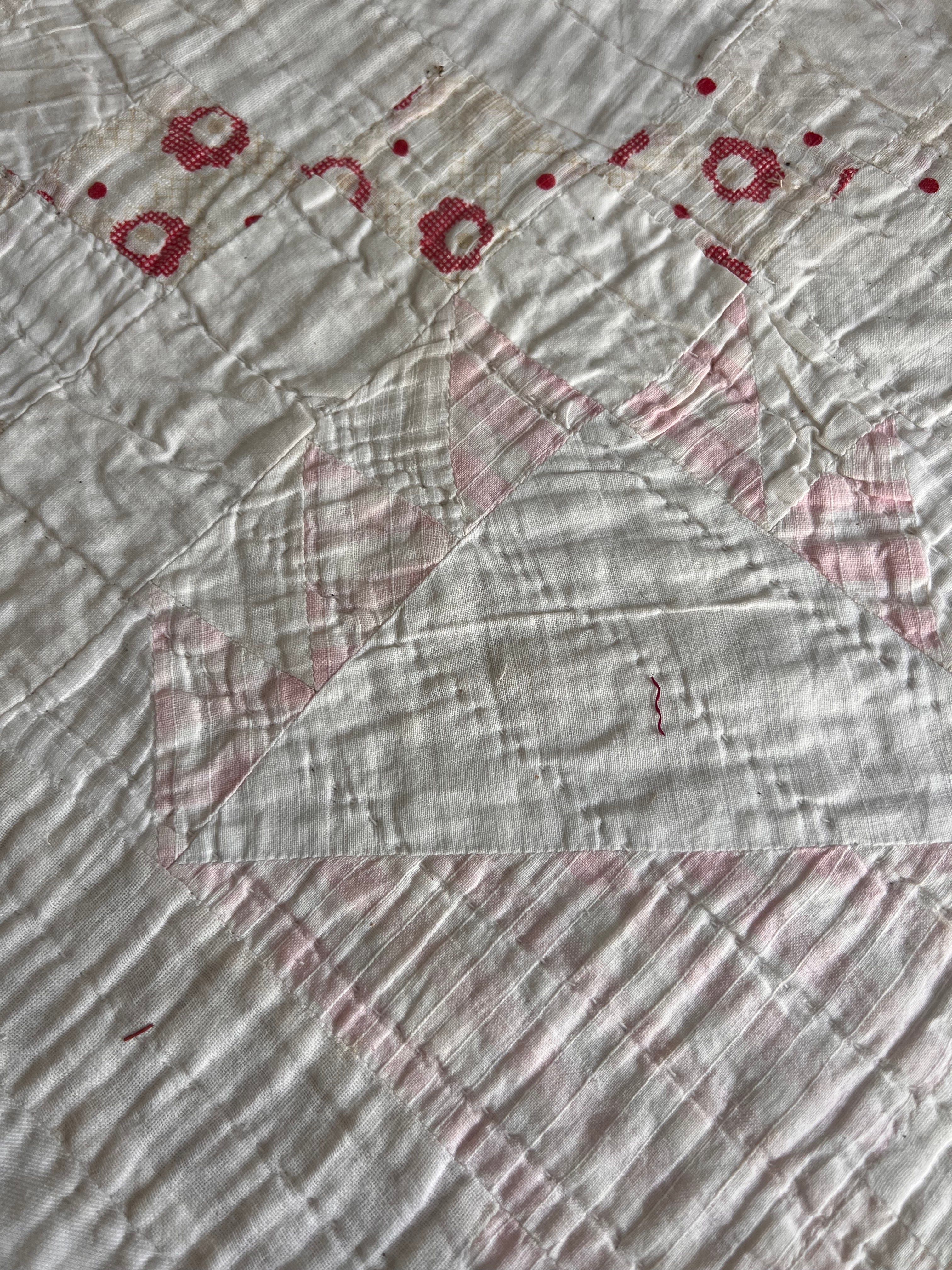
And now, in choosing to stitch slowly—not because you must, but because you want to—you are reclaiming something deeply human.
This shift changes the experience of making.
Each stitch begins to feel less like an isolated action and more like part of a larger continuum. The needle enters the fabric, and you become aware—this has been done before. Not in this exact way, not with this exact material, but in essence, countless times.
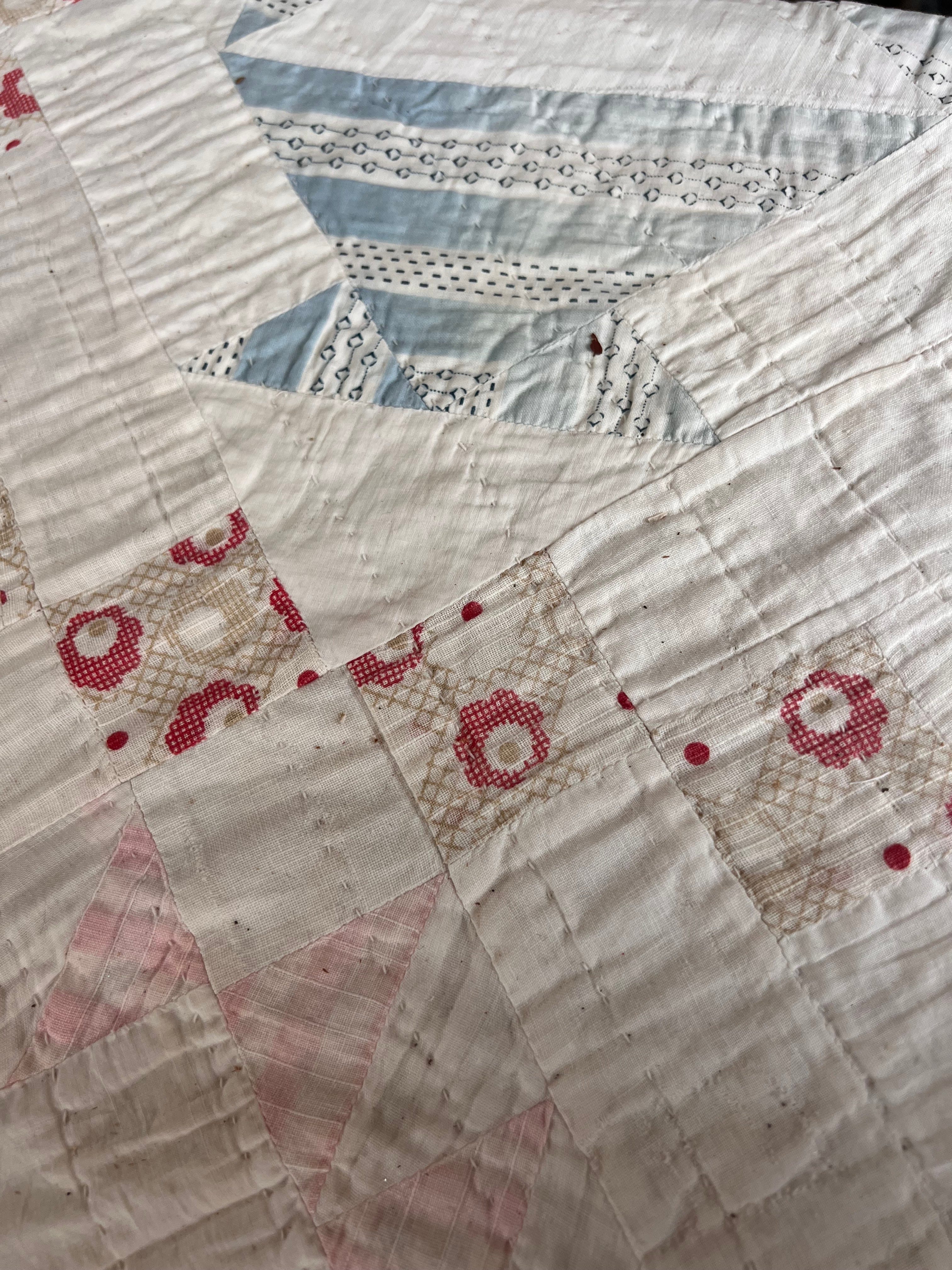
And it will be done again.
There is a quiet comfort in that continuity.
A sense that you are participating in something that does not begin or end with you.
The piece you create may not last forever. Fabric wears. Threads loosen. Time moves as it always has. But the act itself—the choice to sit, to focus, to create slowly and with care—becomes part of an enduring human rhythm.
Perhaps this is why slow stitching resonates so deeply.
Why it quiets the mind.
Why it anchors the body.
Why it creates a subtle, almost unspoken sense of belonging.
Because on some level, it is an act of remembering.
Not memory in the conventional sense—not names or faces or specific histories—but a deeper, embodied knowing. A recognition that hands have always done this. That creation does not require urgency to be meaningful. That care, expressed slowly and deliberately, has always held value.
In this way, slow stitching becomes more than a craft.
It becomes a connection.
A thread drawn gently between past and present, between maker and material, between generations that may never meet, yet share the same quiet language of the hands.
So when you stitch, you are not simply making something new.
You are continuing something ancient.
And in that continuity, you may find something increasingly rare:
A sense of place.
A sense of connection.
A sense that even the smallest act—repeated with intention—can carry the weight of history, and still feel like home.